
[MOST COMMON] Peripheral Neuropathy in the Feet
The most common pattern starts in both feet with numbness, tingling, burning, pain, or balance changes and may gradually move upward. Sometimes the cause is known — and sometimes it isn’t.

You've been told this is "just something you have to live with," that it's "just part of getting older." Dr. Jann knows better. Every care plan is personalized to the nerves that are actually struggling — built to reverse neuropathy, not just manage it.
Your peripheral nerves carry signals between your brain and spinal cord and the rest of your body — telling your hand it's touching something hot, telling your foot where the ground is. Peripheral neuropathy means those nerves have been damaged or are misfiring, so the signal comes through distorted, delayed, or not at all.
It usually starts small — in the toes, the balls of the feet, the fingertips — and can spread if the underlying driver isn't addressed. Left alone, that miscommunication tends to get louder, not quieter.
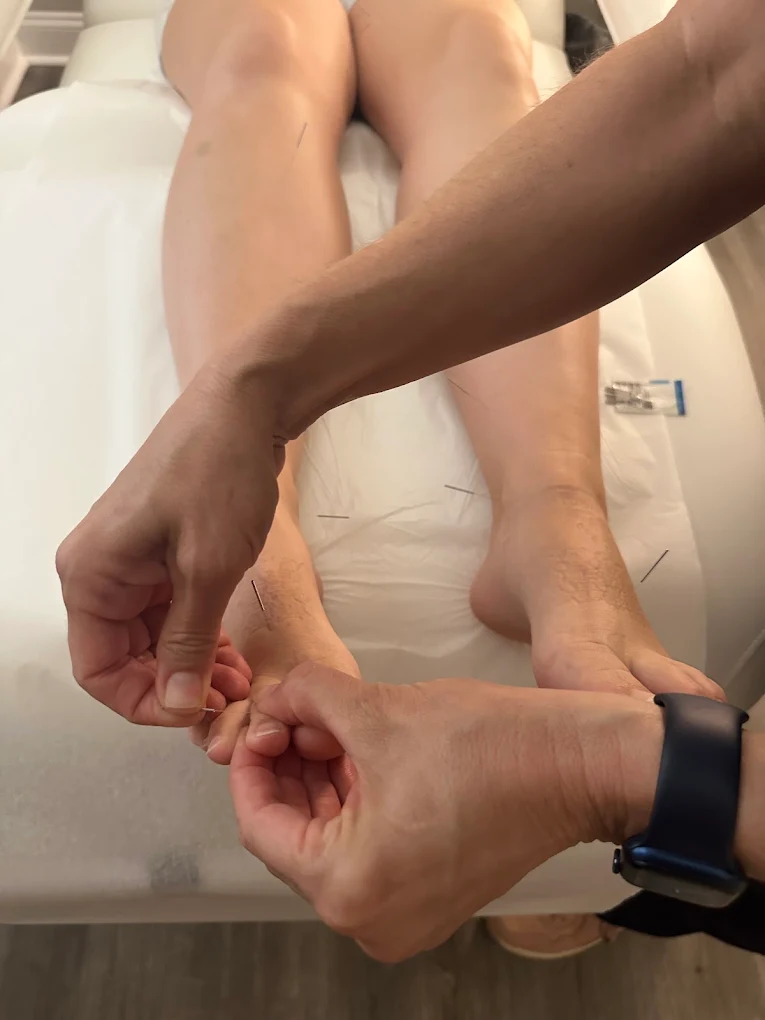
No two cases of nerve damage share the same root cause — so before we treat anything, we take a thorough history to understand what's actually driving yours.
The most common pattern starts in both feet with numbness, tingling, burning, pain, or balance changes and may gradually move upward. Sometimes the cause is known — and sometimes it isn’t.
High blood sugar over time can damage peripheral nerves, typically beginning in the feet. Managing diabetes alongside your physician’s care is an important part of the approach.
Certain chemotherapy drugs can cause numbness, tingling, burning, or pain in the hands and feet that may persist long after treatment ends.
Often experienced as burning, stinging, sensitivity, or electric sensations. Small-fiber neuropathy can have metabolic, autoimmune, medication-related, or other causes.
Autoimmune and inflammatory conditions can sometimes affect peripheral nerves, producing pain, numbness, burning, or other changes in sensation.
Symptoms mainly affecting one leg or one area may come from an irritated nerve in the back or a compressed peripheral nerve rather than typical neuropathy.
Nerve tissue has a genuine capacity to heal and repair when it has three things: steady circulation, low inflammation, and consistent stimulation. Every treatment plan we build is aimed at restoring those conditions. Progress looks different from patient to patient, but here's the groundwork.
Fine-point nerve stimulation techniques are used to encourage blood flow into under-nourished nerve tissue — delivering the oxygen and nutrients damaged nerves need in order to repair.
Chronic inflammation is one of the most common drivers of nerve damage. O3 Reboot Therapy™ is used to help calm systemic inflammation, which matters most for neuropathy tied to autoimmune activity.
ATP Resonance BioTherapy™ uses low-level electrical currents to support the cellular energy production that tissue and nerve repair depend on — a non-invasive, painless part of the plan.
Precise stimulation along the nervous system can help interrupt an overactive pain-signal loop and gradually retrain how affected areas process sensation.
Peripheral neuropathy has many underlying causes, and recovery is gradual, not instant. These treatments are designed to support your body's own repair process.

Dr. Jann Turpin, DOM, LAc, pairs her clinical training with a background in biomedical engineering from the University of Florida — a science-first lens applied to every plan. "Your goals are our goals. We believe that's how healthcare should be done."
Your goals are our goals. We believe that's how healthcare should be done.— Dr. Jann Turpin, DOM, LAc
15 years of clinical experience treating chronic pain, autoimmune disease, and neurological conditions in Jacksonville, with a biomedical engineering background from the University of Florida.
A full history of your symptoms, their onset, and what else is going on in your health — the details a rushed appointment usually skips.
An integrated combination of treatments — acupuncture, targeted nerve stimulation, ATP Resonance BioTherapy™ — matched to your type of neuropathy.
No plan stays static. We track what's changing and recalibrate visit to visit rather than running everyone through the same sequence.
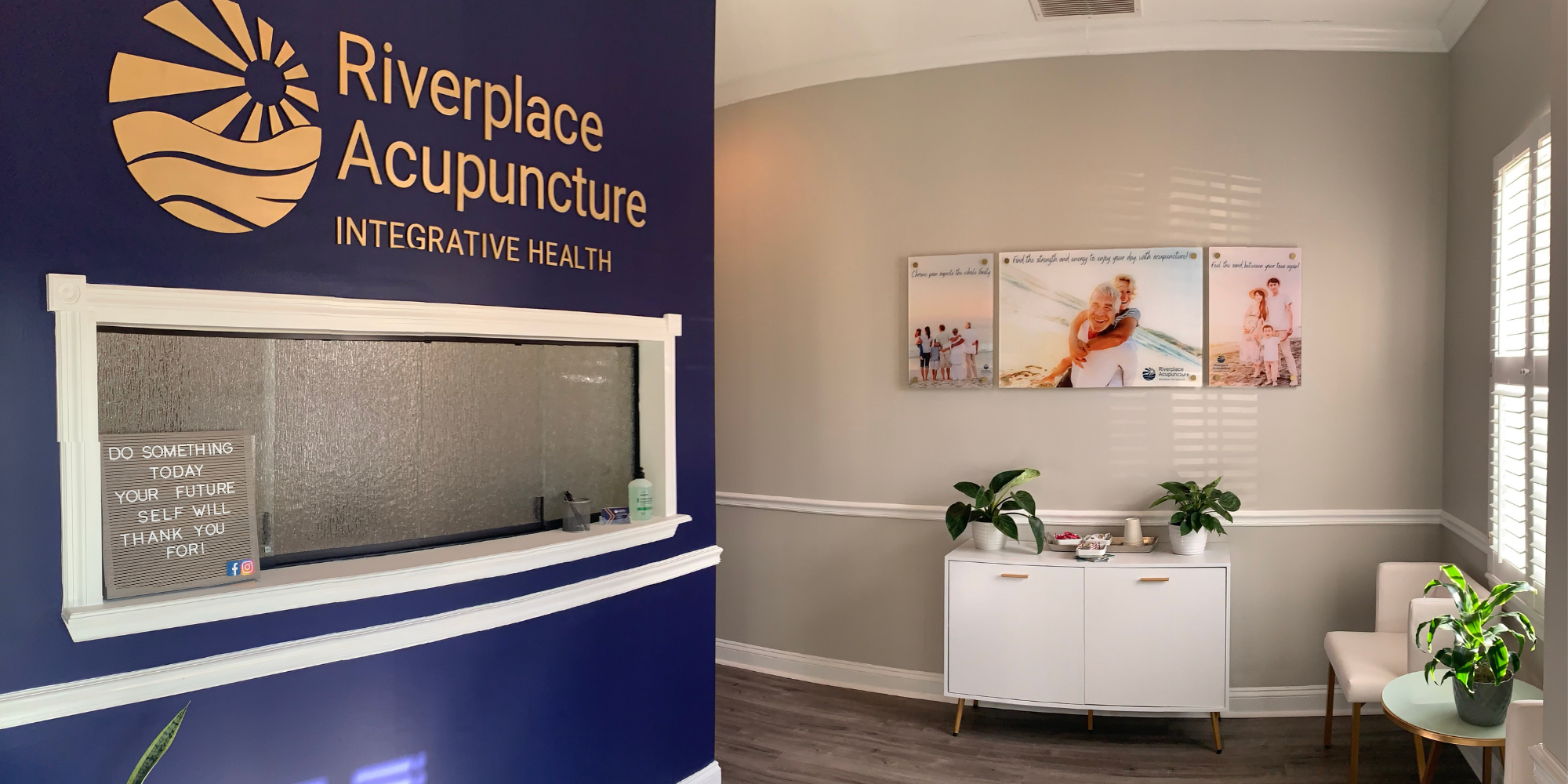
Neuropathy can already make everyday life feel stressful. Riverplace is designed to feel calm, welcoming, and unhurried, with a team that takes your concerns seriously and helps you understand what comes next.
“My first impression was pleasant. I met Jayla, and she was so friendly and helpful. The office space is so elegant and peaceful. Dr Turpin was so compassionate and understanding, and she gave me the time needed to find out my treatment plan. After my treatment that day, I felt amazing. Looking forward to returning soon.”
“I had a bad case of bursitis, which caused a huge lump on my elbow. My regular Dr had no success with treatment. I visited Dr Jann and her team and had incredible results after a few sessions, with the lump totally gone. I highly recommend this practice should any of the services they offer be needed. The staff and Dr make for a pleasant experience, friendly, helpful, and highly efficient!!”
“The treatment here is great. First, the staff is warm and welcoming. Next, the treatments have changed my wife's pain management world completely. She suffered from constant migraines where traditional medications just didn't make a difference. In the first session, she noticed a slight difference immediately, but it didn't last. Upon the third and subsequent treatments, her world is a lot better, with significantly fewer migraines and a better quality of life. If you are doubting, DONT. This can help. GO Now!”
Tell us what you've been feeling, how long it has been happening, and what has already been tried. We'll help you understand the next step and whether a consultation with Dr. Jann makes sense for you.
It's damage or dysfunction of the peripheral nerves — the nerves outside the brain and spinal cord — that disrupts normal signaling between your body and your nervous system. It most often shows up as numbness, tingling, burning, or weakness in the hands and feet.
For many patients, yes, our approach focuses on improving circulation, reducing inflammation, and supporting the nervous system directly, without pharmaceutical side effects. It's not a replacement for your physician's care, especially for managing an underlying condition like diabetes, but it's often used alongside it.
It varies by patient and by how long the nerve damage has been present. Nerve tissue heals gradually, not overnight, so plans are typically built out over a series of visits with progress reassessed along the way — we'll walk you through what to expect for your specific case at your consultation.
Most patients describe the sensations as mild at most — many find the sessions relaxing. ATP Resonance BioTherapy™ in particular is non-invasive and painless. We always adjust technique based on your comfort and sensitivity, which matters especially if numbness or heightened sensitivity is part of your symptoms.
These are exactly the cases we see most often. We build your plan around your full health picture.
For most patients, symptoms tend to progress gradually rather than resolve on their own, especially when the underlying driver — blood sugar, inflammation, a compressed nerve — isn't addressed. That's why identifying your specific type early matters.
11481 Old St Augustine Rd, Ste 105 · Jacksonville, FL 32258